Shower Replacement vs. Tub-to-Shower Conversion: Which Project Fits Your Bathroom?
Compare starting conditions, layout changes, storage, materials, and project scope to decide whether replacement or conversion better fits your bathroom.
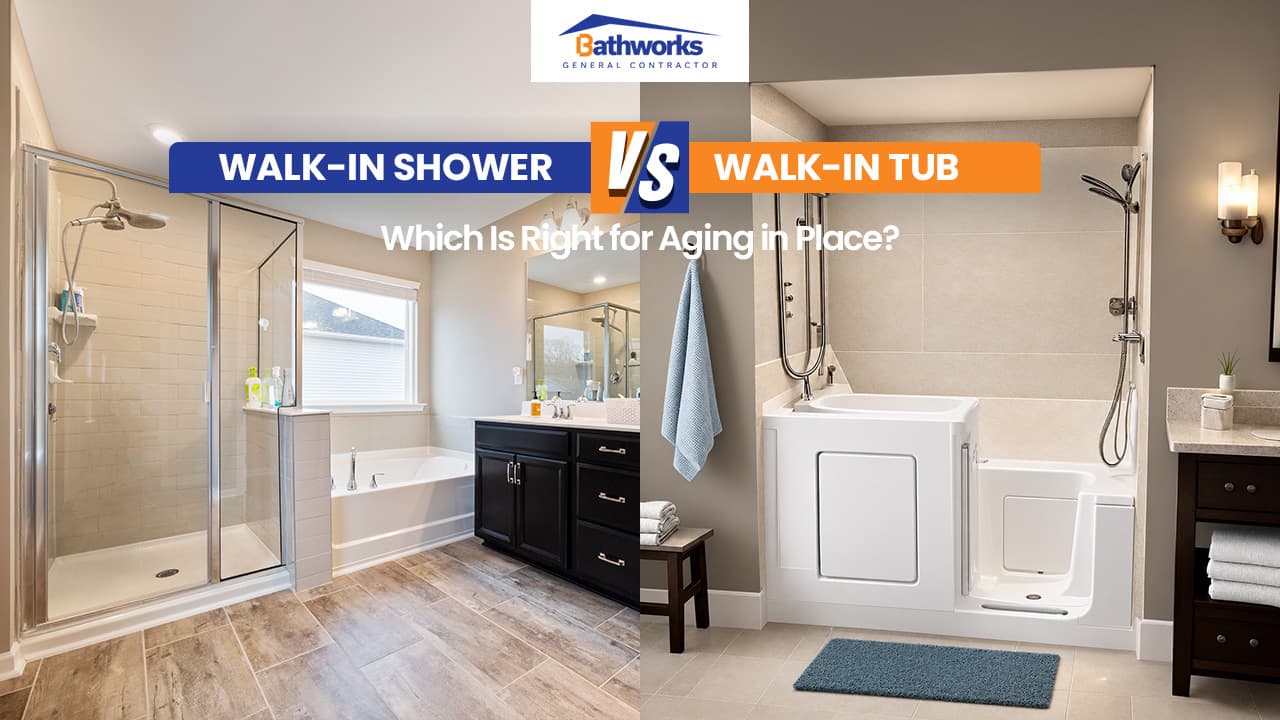
Choosing between shower replacement vs tub-to-shower conversion depends on your existing bathroom layout, the condition of the bathtub or shower, and the changes you want to make. A shower replacement updates an existing shower area, while a tub-to-shower conversion changes a bathtub area into a shower.
1. What Is the Difference?
| Project detail | Shower replacement | Tub-to-shower conversion |
|---|---|---|
| Starting point | Existing shower | Existing bathtub |
| Main work | Replace existing shower components | Remove bathtub and install shower |
| Layout | Usually retains the shower area | Changes the bathtub area into a shower |
| Plumbing | Reviewed for replacement requirements | Reviewed for the new shower arrangement |
| Storage | Niches or other features may be included | Niches or other features may be included |
2. When Should You Choose Shower Replacement
Shower replacement is worth considering when the existing shower is the main part of the bathroom you want to update. Worn wall surfaces, an old shower pan, outdated fixtures, or a dated appearance may be reasons to replace it.
Before choosing replacement, review:
- Existing wall surfaces, pan, fixtures, and enclosure
- Preferred wall materials and finishes
- Recessed niche or other storage features
- Glass and entry design
- Available dimensions and fixture locations
Explore shower replacement and bath remodeling services for a closer look at the available project options.
3. When Is a Tub-to-Shower Conversion the Better Option?
A tub-to-shower conversion suits homeowners who want to replace an existing bathtub with a shower. The project generally involves removing the bathtub, preparing the area, completing required plumbing work, and installing the selected shower components.
- Whether you still need a bathtub in your home
- Available space for the new shower
- Shower entrance and door clearance
- Shower pan dimensions
- Wall panel and finish selections
- Storage and seating requirements
- Existing plumbing locations
Review tub-to-shower conversion options to learn more about the service.
4. Should You Keep the Bathtub or Replace It?
Consider how your household uses the bathroom. A bathtub may still be useful for children or personal bathing preferences. If the bathtub is rarely used, a conversion may better suit daily routines.
- How often does the household use the bathtub?
- Do you have another bathtub in the home?
- Would a shower better suit your routine?
- Does the bathtub area support the planned shower?
- Do you prefer fixed glass or another entry arrangement?
5. Compare Layout Changes and Available Space
A shower replacement generally works within the existing shower area. A tub-to-shower conversion changes the bathtub area and must account for the shower pan, wall surfaces, entrance, fixtures, and standing space.
- Confirm available width, depth, and height
- Review entrance clearance and nearby fixtures
- Select a suitable glass enclosure
- Review fixture and control placement
- Decide whether recessed storage should be included
6. Consider Storage, Seating, and Other Features
Recessed Shower Niches
A recessed niche provides storage for shampoo, soap, and other products without an external shelf. Its size and position should account for wall dimensions, plumbing, and product needs.
Built-In Shower Seats
A seat provides a seating area, but its position and dimensions depend on the shower layout and available standing space.
Custom Shower Pans
The shower pan must suit the measured dimensions and selected installation system.
7. Compare Shower Wall Materials
Bathworks LLC offers Onyx cultured stone, made from crushed natural stone bonded with resin. It provides grout-free wall surfaces and coordinated components as an alternative to traditional tile.
Explore available bathroom remodeling materials to review finishes and components before choosing a system.
8. Which Project Has the Larger Scope?
A shower replacement focuses on an existing shower. A tub-to-shower conversion involves removing a bathtub and preparing the area for a new shower. Additional work may be required in either project depending on existing conditions and selected features.
- Removal of existing shower or bathtub components
- Surface preparation
- Required plumbing adjustments
- New shower wall panels
- Shower pan installation
- Seating or storage features
- Glass enclosure installation
- Finishing work
9. How to Choose Between the Two Projects
| Your situation | Project worth considering |
|---|---|
| Existing shower looks outdated | Shower replacement |
| Shower wall surfaces need updating | Shower replacement |
| You no longer use your bathtub | Tub-to-shower conversion |
| You prefer a shower instead of a bathtub | Tub-to-shower conversion |
| You want to change the bathing area | Assess a tub-to-shower conversion |
| You want to update several bathroom areas | Discuss a broader bathroom renovation |
Plan Your Shower Renovation With Bathworks LLC
The right project depends on how you use your bathroom, the condition of the existing installation, and the improvements you want to make.
Bathworks LLC serves Boise and nearby Treasure Valley communities. Contact the team to schedule a free, no-pressure in-home consultation and discuss your shower remodeling project.
Frequently asked questions
Is shower replacement the same as a tub-to-shower conversion?
No. Shower replacement updates an existing shower, while conversion removes an existing bathtub and installs a shower in that location.
How much does shower replacement cost in Boise?
Cost depends on the existing condition, dimensions, selected materials, demolition requirements, and installation work. A project-specific written estimate provides the clearest breakdown.
How much does a tub-to-shower conversion cost in Boise?
Cost depends on bathtub removal, shower dimensions, plumbing requirements, shower pan selection, wall materials, and additional features.
Can I keep the existing plumbing during conversion?
Existing plumbing may be suitable for parts of the new installation, but the contractor needs to inspect the arrangement and determine whether adjustments are required.
Does a tub-to-shower conversion require a complete bathroom renovation?
No. A conversion can focus on the existing bathtub area. Additional bathroom improvements are optional and should be reflected in the approved project scope.
Can I add a shower niche or seat during replacement?
Yes. Their suitability depends on shower dimensions, wall structure, plumbing locations, and the selected material system.